Search This Blog

Wednesday, July 27, 2011

Multiple Diversity is the beauty of life


Rangeen Mahan in Bidar, It is a symbol of Hindu and Muslim sculpture. On the back side rock sculpture that denotes Muslim or Arab work and front wooden work of Indian works.  


 It is old fort at Bidar


Bande Nawas Darga in Bidar. It is a pilgrim place for both Muslim and Hindu. It is a communal free zone.


Wood sculpture in Rangeen mahal at Bidar. It is pure Indian tradition and culture.


Wood sculpture in Rangeen mahal at Bidar. It is pure Indian tradition and culture.

We should work Communal free, Secular, Corruption free, Democratic value and Pollution free world. We should respect all Religions, Class and Gender for well being of the society and for better future. Finally, We should build Sustainable, Equitable, Diverse, Just and Humane Society.

Wednesday, July 20, 2011

Easy tips for Easy life


Mosquito Bite Relief 

To get rid of itch from mosquito bites try applying soap on the area instant relief. 
Food Stains 

Potatoes will take food stains off your fingers. Just slice and rub raw potato on the stains and rinse with water. 
Opening Jars 

Try using latex dish washing gloves. They give a non-slip grip that makes opening jars easy. 
Cure for headaches 
Take a lime, cut it in half and rub it on your forehead. The throbbing will go away. 
Soft Tips 
Place a slice of apple in hardened brown sugar to soften it back. 
Potato Buds 

To keep potatoes from budding, place an apple in the bag with the potatoes. 
Crunchy Biscuits 

Keep biscuits fresh for a longer time by adding a piece of blotting paper to the bottom of the container. 
Spice Up Your Life 

Store spices in a cool, dark place. Humidity, light and heat will cause herbs and spices to lose their flavor more quickly. 
Keeping Mixer Blades Sharp 

To do so, once every month grind some common salt in your mixer. 
Garbage Disposal 

To freshen a garbage disposal system try sprinkling baking soda in it along with a few drops dish-washing liquid before washing it off. 
Curds Gone Sour 
Fresh coconut removes excessive sourness from curds. Add three pieces of fresh coconut to curds that has gone sour. 
Honey And Custard 

Honey enhances the taste of custard. Add a teaspoon of honey along with sugar to the custard. 
Cleaning Crockery 

Soda bicarbonate paste is handy in removing tea and turmeric stains from glasses and crockery. Apply the paste to the affected area, allow it to stay for 15 to 20 minutes and wash the utensil under running water. 
Excess Turmeric 

Added excess turmeric powder to a vegetable? Don't panic! Just cover the vessel's mouth with a white muslin cloth. The cloth will absorb the excessive turmeric. 
Fresh Coffee 

Refrigerate coffee powder; it will stay fresher for a longer time.

Tuesday, July 19, 2011

Support to stop GM trials in karnataka


I have just signed a petition asking Karnataka CM Yeddyurappa to stop field trials for GM crops and preventing companies such as Monsanto from violating crucial safety norms that ensure food safety:

http://www.greenpeace.in/take-action/stop-gm-crops.php

Regards,


Mr. Amrit Gowda is a farmer in a village in Bijapur, Karnataka. American seed giant Monsanto used this unsuspecting farmer’s land to produce genetically modified corn seeds, [1] which have still not been assessed for safety in our country.
Click here to ask CM Yeddyurappa to say no to field trials of genetically modified crops
A Greenpeace team along with a television news channel caught Monsanto violating all safety normsimportant to keep our food supply and environment safe from such experiments. [2] Genetically modified seeds threaten our food safety and security. Studies have shown that these crops also pose athreat to the environment and the health of those who consume it. [3]

In spite of all this the state government has allowed such field trials. This will contaminate other crops grown in the state and the health of those who consume them later. We need to tell Chief Minister Yeddyurappa to stop giving permissions for such field trials and uphold the health of the people and the environment in the state.

Watch the exposé on Monsanto and then ask the Chief Minister to stop all field trials in Karnataka.

http://www.greenpeace.in/take-action/stop-gm-crops.php

The petition says: Mr. Chief Minister, do not allow field trials of genetically modified crops in Karnataka.

The petition signatures will be delivered to the CM. Strong public opposition to the introduction of the genetically modified Bt brinjal resulted in a moratorium on its release last year.[4] We can do this again. A lot of people asking the CM of Karnataka to say no to field trials of genetically modified crops will put pressure on him to act.

Minister of environment, Jairam Ramesh has given state governments the right to allow or refuse permissions for field trials.[5] States like Kerala, Bihar and Madhya Pradesh [6] have already said no to the field trials of genetically modified crops.

Our food and health are at stake again. The state government needs to put the interest of its people before those of the multinational corporations. Ask CM Yeddyurappa to keep our food safe now!

http://www.greenpeace.in/take-action/stop-gm-crops.php

Friday, July 8, 2011

ಕನಕಪುರದಲ್ಲಿ ಕೊಬ್ಬರಿ ಕಾಯಿ ಬೆಳೆ

ಕನಕಪುರದಲ್ಲಿ ಕೊಬ್ಬರಿ ಕಾಯಿ ಬೆಳೆ ಕಾಣಬಹುದು. ಕನಕಪುರ ಪಕ್ಕದ ಮಾಚನಹಳ್ಳಿಯಲ್ಲಿ ಸಣ್ಣ ಪ್ರಮಾಣದಲ್ಲಿ ಕೊಬ್ಬರಿ ಕಾಯಿ ಬೆಳೆ ಹೊಲದಲ್ಲಿ ಕಾಣಬಹುದು. ಸರಿ-ಸುಮಾರು ಒಂದು ಗಿಡದಿಂದ ನಾಲ್ಕು ಕಿಲೋ ಕಾಯಿ ಸಿಗುತ್ತಿದೆ. ಅವರು ಕನಕಪುರದಲ್ಲೆ ಮಾರಾಟ ಮಾಡುವುದರಿಂದ ಒಳ್ಳೆ ಬೆಲೆ ಸಿಗುತ್ತಿಲ್ಲ. ನಾಲ್ಕು ವರುಷ ಕೆಳೆಗೆ ಗಿಡಗಳನ್ನು ನಾಟಿ ಮಾಡಲಾಗಿತ್ತು. ಈಗ ಉತ್ತಮ ಇಳುವರಿ ಬರುತ್ತಿದೆ. ಇದರ ಹಣ್ಣಿನ ರುಚಿ ಹುಳಿಯಾಗಿದ್ದು, ಅದರ ಎಲೆಗಳು ನೆಲ್ಲಿಕಾಯಿ ಎಲೆ ತರಹ ಕಾಣುತ್ತೇವೆ, ಗಿಡಗಳು ತುಂಬಾ ಎತ್ತರವಾಗಿ ಬೆಳೆಯುವುದಿಲ್ಲ. ಗಿಡ ಪೊದೆ ತರಹ ಬೆಳೆಯುತ್ತೆ. ಯಾರಿಗಾದರು ಇದರ ವ್ಯೆಜ್ಞಾನಿಕ ಹೆಸರು ಗೊತ್ತಿದ್ದರೆ ದಯವಿಟ್ಟು ತಿಳಿಸಿ. 


Saturday, June 11, 2011

Gullah Sunde – a wild brinjal variety


Brinjal is in the news because scientists are taken local brinjal varieties for their gene manipulation work. India is a hub of many brinjal varieties. We will get area specific brinjal variety. There are some varieties are specific to some areas. Kothithale badane in Channapattana and Mandya region, Mattu gullah in Udupi region and same thing in Rabakavi badane specific to Rabakavi area. Gullah Sunde is another wild brinjal variety; this wild variety is common in Ramanagara and Magadi area. This is wild variety and no one growing in their land. Mainly Gullah Sunde is growing in waste land or fallow land or in backyards. It does not require any management practice.

It is a delicate perennial shrub. It grows 80 to 200 cm tall, with large coarsely lobed leaves. Gullah Sunde leaves are broader than normal cultivated brinjal variety.  The stem is often spiny. The flowers are white in color, the fruits are fleshy, has a meaty texture, and is less than 3 centimeters in diameter. The fruit is botanically classified as a berry, and contains small seeds, berries are edible, but we have to remove seeds from the berries and then use it for cooking. People are Gullah Sunde berries mainly for making curry and Sambar. Many people believe it has medicine properties. One farmer says, Gullah Sunde used for stock plant  to make grafts of various other brinjal varieties.

Steps to boost productivity

Agriculture is now in cross road. It has lot problems with respect to production and even marketing. Suicide is common of either production loss nor market failure. The following are important steps to increase agriculture production

1. Don't cultivate single crop, increase the number of crops as much as possible in the same cropping period. Select crops based on your requirement, soil and climate. This will taken care of single crop loss syndrome.

2. I don't recommend tillage, if you want to cultivate the land, cultivate the land in summer time and kept open for fifteen days and then do farming

3. Select area specific good traditional seed varieties well in advance, ask other farmers or nearby institution to get better quality traditional seed. Don't buy seed from shop or agriculture department or Agricultural Universities or Krushi Vignana Kendra. These people will always give seeds give hybrid seeds only

4. Plough the land across slope or along contour, it will retain water and soil. The soil health will increase by doing this activity

5. Put intra and inter bunds in to the land, it will keep or retain run-off water and check the soil erosion and it act as barrier for loss soil

6. Put grass, fodder and some biomass trees on the bunds to prevent crack of bunds. These tress will give continuous additional income

7. If you have any pest and disease to the crops, don't spray any kind of chemicals. Prepare your own bio-chemicals using local herbs and other materials.

8. Don't use any chemical fertilizer to the crop, it will become an another expenditure. Prepare your own compost and other forms of organic fertilizer and liquid manures.

9. Protect your soil by using dry or wet mulching. Spread the agriculture waste either it may be dry or wet on the soil surface. It will keep soil health and act as a compost

10. Raise your bio fence around the land, it will protect the land from enemies and also gives additional income to the family. If you put biomass, so you will get free compost materials

Sunday, June 5, 2011

Create Organic Kitchen Garden

No need to stock up on overpriced organic vegetables any more. Preeti Patil of Urban Leaves India shows you how to grow your very own kitchen garden. With Mumbai's space constraints, cultivating a garden for pesticide-free vegetables and fruit may seem like a far-fetched idea. But growing and owning an organic kitchen garden is actually utterly achievable and healthy activity for urban people


Preeti Patil of Urban Leaves India — an NGO that promotes city farming — says it can be surprisingly simple. "The process is cost-effective, and low-maintenance. The only requirements are a lot of patience and perseverance," says she. 

Most people would think the terrace is their only option and too only if the housing society is forgiving. Try this for an idea. Use your windowsill to grow some vegetables. One of the biggest requirements to grow fruits and veggies is sunlight, something the city is amply blessed with. Patil has also cultivated a full-fledged kitchen garden at her home in Dockyard. She adds, "At least, you are certain that they are not growing along the railway tracks. Being able to smell fresh fruit and vegetables is an added incentive. It's a rarity in cities these days. Not to mention the asset home grown vegetables provide. We won't face dearth of vegetables like we do today if each home takes the onus of growing their own veggies to a partial extent

recycle and reuse 

At the outset, you don't need to invest in fancy or earthen pots. You can even make use of plastic bottles, buckets and bathtubs to grow vegetables. Take a medium sized bathtub; fill it with soil and home compost to grow cabbages, cauliflowers, capsicums, radish, onions and other various important chemical free vegetables and leafy vegetables. 

Make your own soil 

The most important step in kitchen gardening is to make Amrut Mitti (nutrient-rich soil), which has abundant and diverse microbial life that support healthy plant growth. It is simple to prepare and the results are extremely effective. "Start with what you have. There's no need to buy earthworms or any other stuff. Simply convert your kitchen waste into resource," says Patil. Keep sprinkling some red earth in the pots

Mulch your soil 

Keep it covered with a layer of dry crushed leaves or sugarcane baggase. If the waste becomes too wet, add newspaper, dry leaves and soil to cover it. This helps in reducing loss of water due to evaporation. It insulates microbes and organisms in the soil from direct heat and also provides food for them. It keeps home and city waste free

Add a dose of amrut jal 

Add a dose of Amrut Jal every 15 days, after you have sown the seed. Amrut Jal is essentially a liquid solution comprising cow urine, fresh cow dung (available outside temples), organic black Jaggery and water. If organic black Jaggery is unavailable, replace it with six ripe bananas/jackfruits, or two glasses of plain sugarcane juice. » Mix together ten liters of water, one liter of cow urine, one kg of fresh cow dung and fifty grams of organic black jaggery. » Keep this solution for three days. » Stir this solution twice or thrice a day — stir it twelve times clock wise and anti-clock wise. » On the fourth day, the concentrated solution is ready. » Mix one part of this concentrated solution with ten parts of water and Amrut Jal is ready. Add a fistful of wood ash every three months to your soil that will enrich the soil in all sense

Start simple 

One can source the seeds for as cheap as Rs 10 from any of the nurseries in the city, she says. Always go for open pollinated seeds, not hybrid. You can start by growing basic vegetables like basil (tulsi), mint leaves (pudina), kadi pata, chillies, lemon grass and different varieties of spinach. "They are one of the simplest to grow. Since they don't require too much sunlight the plant can be kept in a living room or placed near the window," she says. For fruits, you'll need a grafted sapling. You can grow guava, pomegranate and pineapple, preferably on your terrace garden since it requires a lot of space. You can also grow turmeric (amba or raw haldi) easily. Once you are well-versed with simple plants, graduate to growing cabbage, cauliflower, capsicum, radish, onions and tomatoes. Bear in mind, tomatoes need a trellis or will fall. Patil says, "Experience and explore the process, kitchen gardening is therapeutic." 

Written by Reema Gehi, Mumbai Mirror

Thursday, June 2, 2011

Join hands to put online signature to avoid GM crops


Government and policy makers are always in the news for wrong reason. Recent studies on gm food shows presence of  bt toxin in the womb of pregnant women. 
We have an online signature campiagn going on for Maharashtra to be kept Gmfree but many from the group have not signed it. Please spare yourself a moment, check & sign the ONLINE letter to Chief Minister of Maharashtra 


State Government of Kerala, Madhya Pradesh & Bihar have disallowed GM (genetically modified) field trials to be conducted in their respective states due to the risks involved, don't we want Maharashtra to do the same?  Why delay, check the online letter and SIGN it.

With every sign the letter goes directly to the Chief Minister, Maharashtra as well as to Minsiter of Environment & Forests (India) urging to explore & support safe alternatives and keep our food & surroundings GM free.

Wednesday, June 1, 2011

Visit to Ramadevarabetta

Ramadevarabetta is well know for long billed vulture. It is just 48 KM from Bangalore towards Mysore. It is coming under Ramanagara District. It is a spiritual place, lord Rama id here. There are various mythological stories around Ramadevarabetta. It is a good place to visit for a day and have fun with nature. There are local Tribal people to guide in the forest and they will explain about forest and herbs.  

This is view of Rama temple in middle of the hill range


Fort build by King Kempegowda


Saptharushi betta in Ramadevara betta range


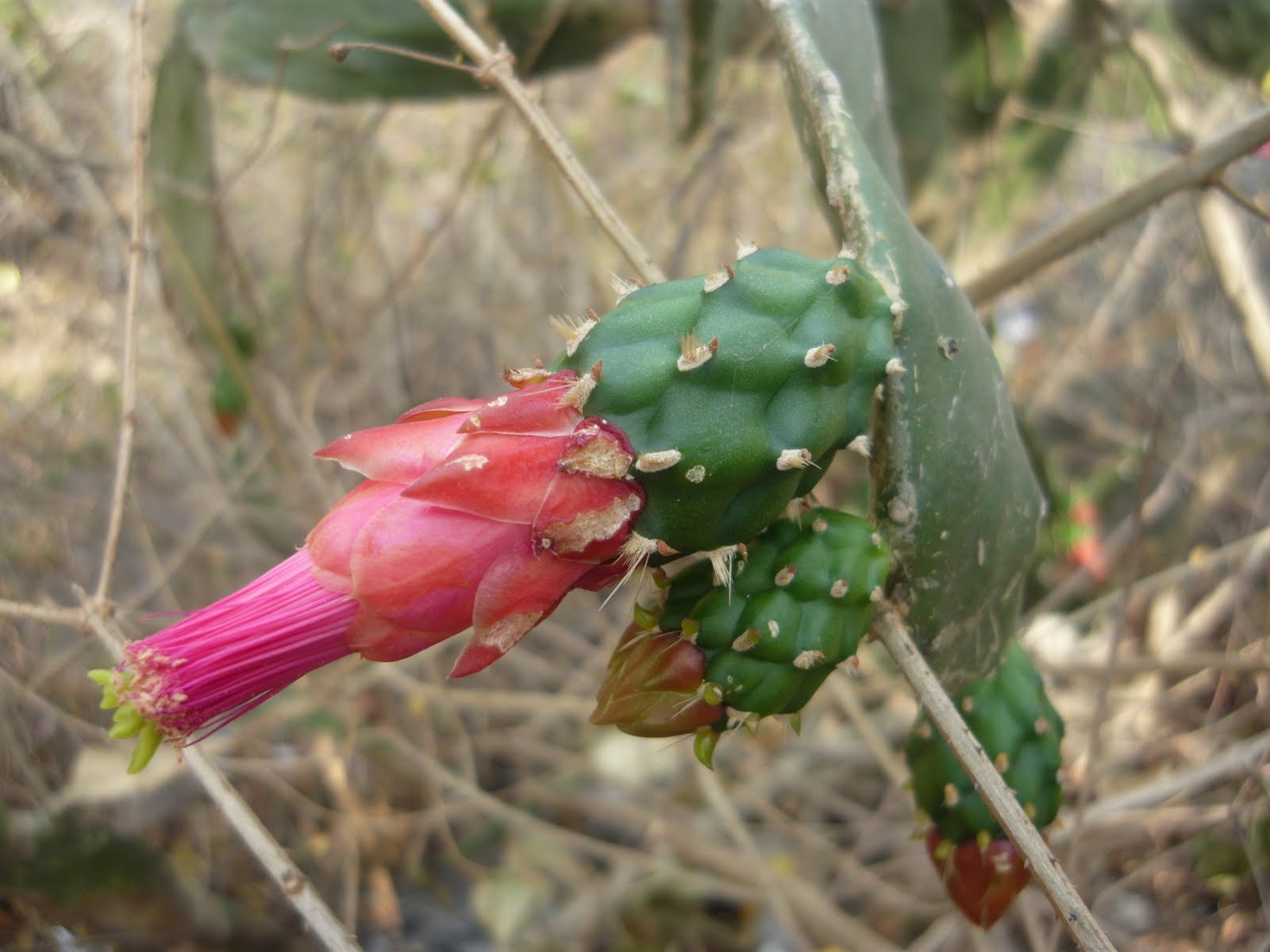
Blooming in Cactus plant at Ramadevarabetta range


Saturday, May 28, 2011

ಬದನೆ ತಳಿ ಕಳ್ಳರಿದ್ದಾರೆ ಎಚ್ಚರಿಕೆ!

ಬಿಟಿ ಬದನೆ ಬಹಿಷ್ಕಾರಕ್ಕೆ ಬಲ ಬಂದಿದೆ. ಆದರೆ ಕಂಪನಿ ಕಪಿಗಳು ಮತ್ತು ರೈತ ವೀರೋಧಿ ಅಧಿಕಾರಿಗಳು ಬಿಟಿ ಬದನೆಗೆ ಹಸಿರು ನಿಶಾನೆ ತೋರುಸುತ್ತಿದ್ದಾರೆ. ಧಾರವಾಡ ಕೃಷಿ ವಿಶ್ವವಿದ್ಯಾಲಯದವರು ನಮ್ಮ ರಾಜ್ಯದಲ್ಲಿ ಬಿಟಿ ಬದನೆಗೆ ಕಂಪನಿ ಜೋತೆ ಒಂಪ್ಪದ ಮಾಡಿಕೊಂಡಿದ್ದಾರೆ. ಬಿಟಿ ಬದನೆಯ ಎಲ್ಲಾ ಕೆಲಸಗಳನ್ನು ಧಾರವಾಡ ಕೃಷಿ ವಿಶ್ವವಿದ್ಯಾಲಯದವರು ಕಂಪನಿಯ ವಕ್ತಾರರಂತೆ ಮಾಡಿಕೊಡುತ್ತಿದ್ದಾರೆ. ಅದರಲ್ಲಿ ಮುಖ್ಯವಾಗಿ ಧಾರವಾಡ ಕೃಷಿ ವಿಶ್ವವಿದ್ಯಾಲಯದವರು ನಮ್ಮ ರಾಜ್ಯದ ಆರು ನಾಟಿ ತಳಿಗಳನ್ನು ಅನುಮತಿ ಇಲ್ಲದೆ ತಳಿ ಬದಲಾವಣೆಗಾಗಿ ಬಳಸಿಕೊಂಡಿರುವುದು. ಮಟ್ಟುಗುಲ್ಲಾ, ರಬಕವಿ ಲೋಕಲ್, ಗೋವನ್, ಮಾಲಾಪುರ ಲೋಕಲ್, ಮಂಜಾರಿ ಲೋಕಲ್ ಹಾಗು ಕುಡಚಿ ಲೋಕಲ್ ಧಾರವಾಡ ಕೃಷಿ ವಿಶ್ವವಿದ್ಯಾಲಯದವರು ಬಳಸಿಕೊಂಡ ನಾಟಿ ಬದನೆ ತಳಿಗಳು. 

ಜೀವ ವೈವಿವಿಧ್ಯತೆ ಕಾಯ್ದೆ-2002 ಪ್ರಕಾರ ರಾಷ್ಟ್ರೀಯ ಜೀವವೈವಿಧ್ಯತ ಮಂಡಳಿ ಅಥವಾ ರಾಜ್ಯ ಜೀವವೈವಿಧ್ಯತ ಮಂಡಳಿ ಅಥವಾ ಜೀವವೈವಿಧ್ಯತ ನಿರ್ವಹಣಾ ಕಮಿಟಿ ಅನುಮತಿ ಪಡೆದುಕೊಳ್ಳುವುದು ಕಡ್ಡಾಯ. ಜೀವ ವೈವಿವಿಧ್ಯತೆ ಕಾಯ್ದೆ-2002, ಭಾಗ 61ರ ಪ್ರಕಾರ ನಾಟಿ ತಳಿಗಳನ್ನು ಅನುಮತಿ ಇಲ್ಲದೆ ಬಳಸುವುದು ಅಫರಾದ. ಆದರೆ ಧಾರವಾಡ ಕೃಷಿ ವಿಶ್ವವಿದ್ಯಾಲಯದವರು ಯಾರು ಅನುಮತಿ ಇಲ್ಲದೆ ಆರು ನಾಟಿ ತಳಿಗಳನ್ನು ಬಳಸಿ ಮಾನ್ಸೊಂಟೊ ಬೀಜ ಕಂಪನಿ ಲಾಭಕ್ಕೆ ಮಾರಿಕೊಂಡಿದ್ದಾರೆ. ಇದನ್ನು ಕೇಳುವ ಅಧಿಕಾರ ನಮಗಿಲ್ಲವೇ. ನಮ್ಮ ತಳಿಯನ್ನು ಕದ್ದು ಕಂಪನಿ ಲಾಭಕ್ಕೆ ಮಾರುವುದು ಎಷ್ಟು ಸರಿ. ಇವತ್ತು ನಾಟಿ ಬದನೆ ತಳಿ ಕದ್ದಿದ್ದಾರೆ. ನಾಳೆ ನಮ್ಮ ಬೀಜಕ್ಕೊ ಕೈ ಹಾಕಬಹುದು. ತಳಿ ಕದ್ದ ಧಾರವಾಡ ಕೃಷಿ ವಿಶ್ವವಿದ್ಯಾಲಯದವರಿಗೆ ಶಿಕ್ಷೆಯಾಗಬೇಕು ಹಾಗು ನಮ್ಮ ತಳಿ ಬಳಸಿಕೊಂಡುದ್ದಕ್ಕೆ ಮಾನ್ಸೊಂಟೊ ಬೀಜ ಕಂಪನಿಯ ವ್ಯವಹಾರವನ್ನು ಭಾರತದಲ್ಲಿ ನೀಷೇದ ಮಾಡಬೇಕು.

Thursday, May 26, 2011

Organic farming is ultimate livelihood


The current agricultural crisis and the farmers situation in the era of globalization, increasing capitalization of agriculture, chemical intensive and bio-technology oriented farming and implications of soil and water degradation or depletion for farmers livelihoods. Food is our most basic need, the very stuff of life. 75 percent of the Indian population derives its livelihood from agriculture, and every fourth farmer in the world is an Indian, the impact of globalization on Indian agriculture is of global significance. Small and marginal farmers are pushed to extinction, as monoculture replace biodiversity crops, as farming is transformed from the production of nourishing and diverse foods into the creation of markets for seed company products, as farmers are transformed from producers in to consumers of corporate-patented agriculture products.

Agriculture is the most important livelihood strategy in India, with two thirds of the country’s workforce depending on farming. Most farmers are small and marginal farmers cultivating areas of less than two hectares. Increasing land fragmentation, diminishing natural assets, high costs for external farm inputs, indebtedness, and pesticide-related health issues have threatened the livelihoods of many farming families. So, organic farming is best and ultimate livelihood option for any kind of social horizon. If you are in any profession take big ‘U’ turns and lives and enjoy remaining life without any presser. Organic farming makes following assets 

  • Enhanced NATURAL assets – here all kind of natural assets will increased and without any environmental cause. 
  • Enhanced SOCIAL assets – organic farmers will get in same thread and they will discuss about new methods and connected to each other always 
  • Enhanced HUMAN assets – by eating organic food and working in organic farm will improve the health. 
  • Enhanced FINANCIAL assets – here reduced the input cost and increased outputs. Famers will not apply for any loans because no need buy inputs. 
  • Enhanced CULTURAL assets – celebrate local festivals with related to agriculture and connected to our cultural roots

Wednesday, May 25, 2011

Organic Certification and its agencies in India


Organic certification is a certification process for producers of organic food and other organic agricultural products. In general, any business directly involved in food production can be certified, including seed suppliers, farmers, food processors, retailers and restaurants. Requirements vary from country to country, and generally involve a set of production standards for growing, storage, processing, packaging and shipping

Organic certification addresses a growing worldwide demand for organic food. It is intended to assure quality and prevent fraud, and to promote commerce. While such certification was not necessary in the early days of the organic movement, when small farmers would sell their produce directly at farmers’ markets, as organics have grown in popularity, more and more consumers are purchasing organic food through traditional channels, such as supermarkets. As such, consumers must rely on third-party regulatory certification. For organic producers, certification identifies suppliers of products approved for use in certified operations. For consumers, "certified organic" serves as a product assurance, similar to "low fat", "100% whole wheat", or "no artificial preservatives".

LIST OF ORGANIC CERTIFICATE AGENCIES

1. Natural Organic Certification Association
Address: Row House Banglow No-2, E-10 Bldg. Sun Empire, 
Survey No. 7, 9 (Part), Vadgaon- Budruk, 
Sinhgad Road, Pune-411051
Maharashtra, India
Phone: 91 20 65218063     
Fax: 91 20 24105179
Email: info@nocaindia.com    
Mobile: 91-9822006586
Contact Person: Mr. Sanjay Deshmukh (CEO)
Website: www.nocaindia.com


2. Bureau Veritas Certification India Pvt. Ltd., Mumbai
BVQI (India) Pvt. Ltd.
 Address: Marwah Centre, 6th Floor,
Opp. Ansa Industrial Estate,
Krishanlal Marwah Marg,
Off Saki-Vihar Road,
Andheri (East), Mumbai-400 072
Maharashtra, India
Contact Person: Mr. R. K. Sharma
Phone: 91 22 56956300/11
Fax: 91 22 56956302/10
Email: scsinfo@in.bureauveritas.com 
Website: http://www.bureauveritas.co.in


3. Ecocert SA
Address: Sector-3, S-6/3 & 4, 
Gut No. 102
Hindustan Awas Ltd.
Walmi-Waluj Road
Nakshatrawadi, Aurangabad – 431 002
Maharashtra, India
Contact Person: Dr. Alexander Daniel
Phone: 91 240 2377120, 2376949
Fax: 91 240 2376866
Email: ecocert@sancharnet.in 
Website: www.ecocert.in


4. Control Union Certifications, Mumbai
Address: “Summer Ville”, 8th Floor
33rd – 14th Road Junction
Off Linking Road, Khar (West)
Mumbai – 400052 
Maharasthra, India
Contact Person: Mr. Dirk Teichert
Phone: 91 22 67255396/97/98/99
Fax: 91 22 67255394/95
Email: cuc@controlunion.in , cucindia@controlunion.com , controlunion@vsnl.com 
Website: www.controlunion.in


5. International Resources for Fairer Trade
Address: Sona Udyog (Industrial Estate),
Unit No. 7, Parsi Pandhayat Road
Andheri (East), Mumbai – 400 072
Maharashtra, India
Contact Person: Mr. Arun Raste
Phone: 91 22-28352811, 28235246 ext. 22
Fax: 91 22-823-5245
Email: irft@vsnl.com 
Website: http://www.irft.org


6. IMO Control Private Limited
Address: No. 1314, Double Road,
Indiranagar 2nd Stage
Bangalore-560 038
Karnataka, India
Contact Person: Mr. Umesh Chandrasekhar
Phone: 91 80 25285883, 2520 1546
Fax: 91 80 25272185
Email: imoind@vsnl.com 
Website: http://www.imo.ch/index.php?seite=imo_index_en


7. Skal International (India)
A Division of CU Inspections India Pvt. Ltd.
Address: No. 191, 1st Main Road
Mahalaxmi Layout
Bangalore – 560 086
Karnataka, India
Contact Person: Mr. Narayana Upadhyaya
Phone: 91 80 23491928, 56966507
Fax: 91 80 23491935
Email: skalindia@eth.net 
Website: www.skal.org


8. Aditi Organics Certification Pvt. Ltd.
Address: #531/A, Priya Chambers, 
Dr. Rajkumar Road, Rajaji Nagar
Bangalore – 560 010
Karnataka, India
Phone: 91 80 32537879
Fax: 91 80 23373083
Email: aditiorganic@gmail.com , 
Website: http://aditicert.net


9. APOF Organic Certification Agency, (AOCA)
Address: 126, 1st Floor, Govindappa Road,
Off D.V.G. Road, Gandhi Bazar, 
Bangalore-560 004 
Karnataka, India
Contact Person: Mr. K. Dorairaj
Phone: 91 80 26677275,  91 80 41203848
Mobile: 09342349255 / 09886019021
Email: aocabangalore@yahoo.co.in 
Website: www.aoca.in


10. Indian Organic Certification Agency (INDOCERT)
Address: Thottumugham
P.O. Aluva-683 105,
Ernakulam, 
Kerala, India
Contact Person: Mr. Mathew Sebastian
Phone: 91 484-2630908-09/2620943
Email: Mathew.Sebastian@indocert.org , biocosmetics@indocert.org , info@indocert.org 
Website: http://www.indocert.org


11. Lacon Quality Certification Pvt. Ltd
Address: Chenathra, Theepany,
Thiruvalla - 689 101 
Kerala, India 
Contact Person: Mr. Bobby Issac, Director
Phone: 91 469 2606447
Fax: 91 0469 2631902
Email: info@laconindia.com 
Website: www.laconindia.com


12. Rajasthan Organic Certification Agency (ROCA) 
Address: 3rd Floor, Pant Krishi Bhawan, 
Janpath, Jaipur 302 005
Rajasthan, India
Contact Person: Mr. Yashpal Mahawat
Phone: 91 141 2227104, 
Fax: 91 141 2227456
Email: rocajpr.cb@gmail.com 
Website: http://www.rajasthankrishi.gov.in


13. OneCert Asia Agri Certification Private Limited
Address: Agrasen Farm, Vatika Road, Off Tonk,
Jaipur-303 905,
Rajasthan, India
Contact Person: Mr. Sandeep Bhargava
Phone: 91 0141 2720202
Email: info@onecertasia.in 
Website: www.onecertasia.in


14. SGS India Pvt. Ltd.
Address: 250, Udyog Vihar
Phase – IV
Gurgaon – 122 015
Haryana, India
Contact Person: Mr. Sudarshan Sharma
Phone: 91 124 2399990 to 98 
Fax: 91 124 2399764
Email: sudarshan_sharma@sgs.com 
Website: www.sgs.com


15. Uttaranchal State Organic Certification Agency (USOCA)
Address: 12/II Vasant Vihar
Dehradun-248 006
Uttaranchal, India
Contact Person: Dr. S. K. Malik
Phone: 91 135 2760861
Fax: 91 135 2760734
Email: uss_opca@rediffmail.com , info@usoca.org 
Website: http://www.usoca.org


16. FoodCert India Pvt. Ltd. 
Address: Plot No.452, Panchavati Colony,
Road No.10, Banjara Hills,
Hyderabad 500 034 
Phone: 91 40 23313547, 23310013 
Fax: 91 40 23313048
Email: foodcert@foodcert.in , srihari@foodcert.in 
Website: www.foodcert.in


17. Vedic Organic Certification Agency
Address: Plot No. 54, Ushodaya Enclave,
Mythrinagar, Miyanagar,
Hyderabad – 500 050
Andhra Pradesh, India
Contact Person: Dr. M. Usha
Mobile: 91 9290450666,
Phone: 91 40 65276784, 
Fax: 91 40 23045338
Email: voca_org@yahoo.com ; info@vediccertification.com 
Website: http://www.vediccertification.com/

Organic method to control leaf folder


Symptoms of leaf folder 
  • Longitudinal and transparent whitish streaks on damaged leaves
  • Tubular folded leaves
  • Leaf tips sometimes fastened to the basal part of leaf
  • Heavily infested fields appear scorched with many folded leaves

Materials required

Banana-3, Papaya – 3, Ash gourd – 3, Eggs – 3 and Jaggery - 3 Kilo

Preparation

The above mentioned materials are grinded to pieces, kept in a container add little bit water and kept in airtight for 45 days. Take out solution after 46th day. Take concentrated 500 ml solution and mixed in ten lit water and when sprayed controls leaf folder to any crop at season.